The International Round-Table discussion

Actual Problems of the Eurasian Region

Eurasia 2022
june 2022
Peter the Great St. Petersburg State Polytechnic University
29 Polytechnicheskaya Str.,
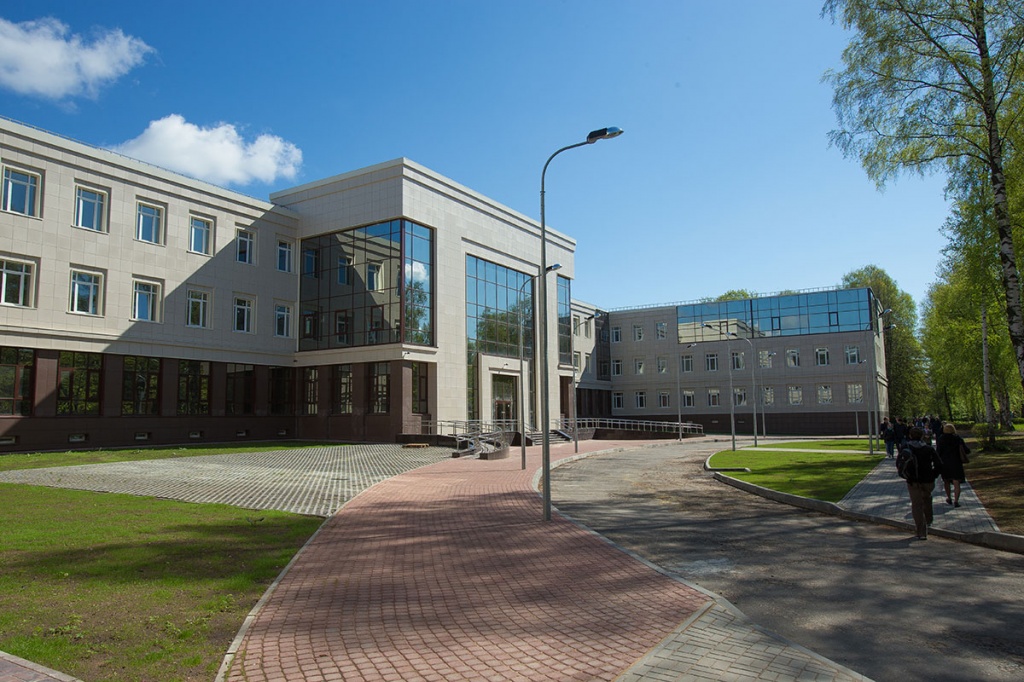
Research Building «Technopolis Polytech», Saint-Petersburg

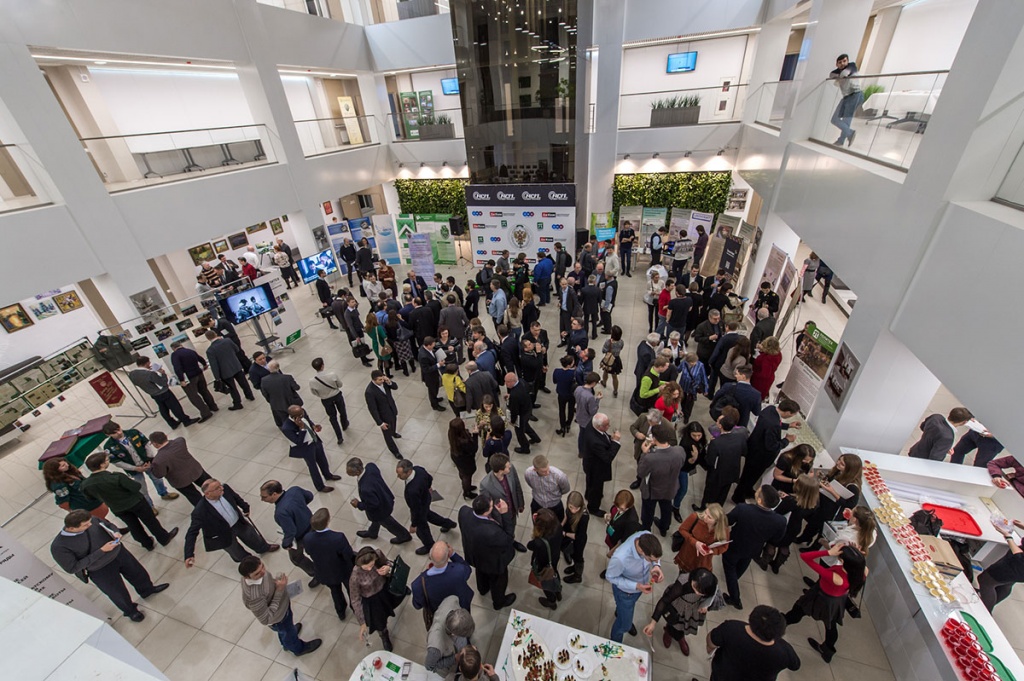
The aim of the round table is to form an international interdisciplinary platform for discussing and solving a wide range of issues related to the Eurasian region. The topics for discussion are listed below: The Eurasian region as a multi-scale geospatial phenomenon (on the variety of approaches to understanding the ER); Geopolitical problems of the Eurasian region; Problems of the development of the Eurasian North; Eurasianism as a socio-cultural phenomenon and others.

Eurasia 2022

Actual Problems of the Eurasian Region

june 2022

Conference secretary

Important dates

4
October
Acceptance of full texts of articles: early
10
October
Submission of an application form for participation in the round table
30
October
Acceptance of full texts of articles: late
15
November
Sending the edited layout to the editorial office of the journal
January-March
2022
Planned placement in the Scopus database
Conference fee
17 000
early article submission
21 000
late article submission
Publication of materials posted in the RSCI:
  • for undergraduate and postgraduate students – free of charge,
  • for other participants – 1,000 rubles.
KEY SPEAKERS

Program committee

Chairman

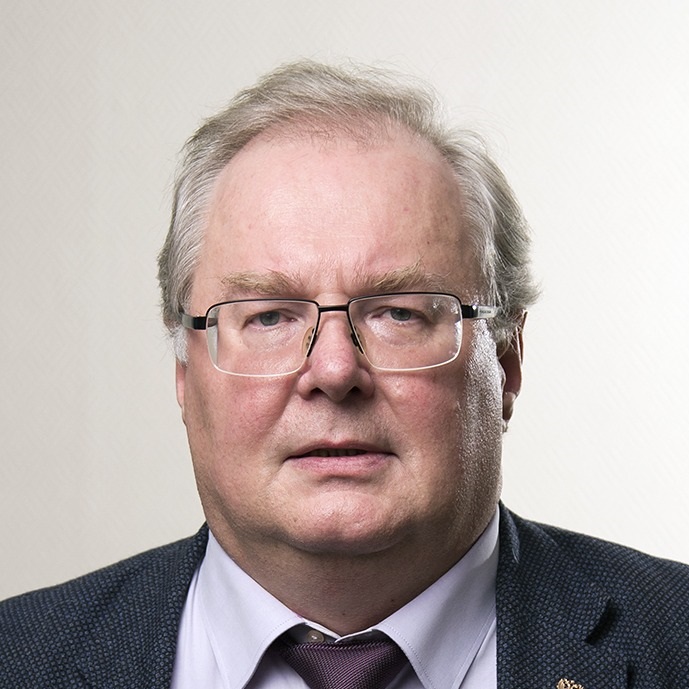
Vasiliev Y.S.
Vasiliev Y.S.
Academic Supervisor of SPbPU, Academician of the Russian Academy of Sciences, Doctor of Technical Sciences, Professor

Co-Chairs

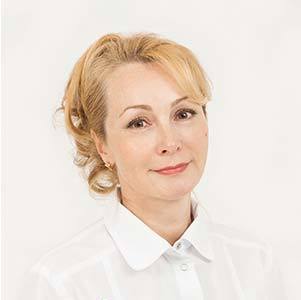
Ashcheulova N.A.
Ashcheulova N.A.
Director of the St. Petersburg branch of the Institute of the History of Natural Science and Technology named after S.I. Vavilov (Russian Academy of Sciences), chief-editor of the journal «Sociology of Science and Technology» (by agreement)
Borovkov A.I.
Borovkov A.I.
Vice-Rector for Advanced Projects of SPbPU, Head of the Centre for the National Technological Initiative «New Production Technologies», candidate of Technical Sciences, Professor of the Higher School of Mechanics and Process Control

Deputy Chairman

Glukhov V.V.
Glukhov V.V.
Head of the Rector's Administrative Office, Doctor of Economics, Professor

Executive Secretary of the Program Committee

Kulik S.V.
Kulik S.V.
Head of the Department of Social Sciences of SPbPU, Doctor of Historical Sciences, Professor
  • Abdullaev D.N., Doctor of Philosophy in Historical Sciences (PhD) Tashkent State Pedagogical University named after Nizami, Republic of Uzbekistan (by agreement)
  • Almazova N.I., Director of the SPbPU Humanitarian Institute, Doctor of Pedagogy, Professor of the Graduate School of Linguodidactics and Translation
  • Wang Qi, Executive Director of the Institute for Strategic Cooperation between China and Russia, Tsinghua University, China (by agreement)
  • Vinkovetsky I., Associate Professor of the Faculty of History, Simon Fraser University, Canada (by agreement)
  • Gaisenok V.A., Rector of the Republican Institute of Higher Education, Doctor of Physical and Mathematical Sciences, Professor, Republic of Belarus (by agreement)
  • Glinska-Neves A., Head of the Department of Organizational Behavior and Marketing, Faculty of Economic Sciences and Management, Professor, Chairman of the Disciplinary Council for Management and Quality, Nicolaus Copernicus University in Torun, Poland (by agreement)
  • Greben E.A., Head of the Department of Social and Humanitarian Disciplines of the Belarusian State Agrarian Technical University, Candidate of Historical Sciences, Associate Professor, Republic of Belarus (by agreement)
  • Demyanyuk A.K., Director of the National Archives of the Republic of Belarus, Republic of Belarus (by agreement)
  • Didenko N.I., Head of the Laboratory "System Dynamics", Professor of the International Higher School of Management SPbPU, Doctor of Economics, Professor
  • Znamensky A., Professor of the History Department of the University of Memphis, Memphis, Tennessee, USA (by agreement)
  • Ishankhodjaeva Z.R., Professor of the Department of History of Uzbekistan, National University of Uzbekistan, Republic of Uzbekistan, Doctor of Historical Sciences, (by agreement)
  • Kan S., Professor at Harvard University, USA (by agreement)
  • Korsak A.I., Head of the Department of History and Tourism of Polotsk State University, Candidate of Historical Sciences, Republic of Belarus (by agreement)
  • Krivovichev S.V., Head of the Department of Crystallography of the Institute of Earth Sciences of St. Petersburg State University, Chairman of the Federal Research Centre of the KSC RAS, Corresponding Member of the Russian Academy of Sciences, Doctor of Geological and Mineralogical Sciences, Professor (by agreement)
  • Krivorot A.A., Leading Researcher of the Center for Military History of Belarus of the National Academy of Sciences of the Republic of Belarus, Candidate of Historical Sciences, Republic of Belarus (by agreement)
  • Kuvshinov V.I., Head of Laboratory No. 28 for Nuclear Physics and Safety Problems at JIPNR / SOSNY of the National Academy of Sciences of the Republic of Belarus, Doctor of Physical and Mathematical Sciences, Professor, Republic of Belarus (by agreement)
  • Kulinok S.V., Head of the Department of Publications of the National Archives of the Republic of Belarus, Candidate of Historical Sciences, Republic of Belarus (by agreement)
  • Lagushkin S.G., Assistant to the Chairman of the Board of Trustees of SPbPU, Candidate of Historical Sciences, Associate Professor
  • Litvin A.M., Head of the Center for Military History of Belarus of the National Academy of Sciences of the Republic of Belarus, Doctor of Historical Sciences, Republic of Belarus (by agreement)
  • Makarov S.B., Head of the Laboratory "Industrial Internet of Things", Professor of the Higher School of Applied Physics and Space Technologies of SPbPU, Doctor of Technical Sciences, Professor
  • Maksimov A.S., Chairman of the Committee for Science and Higher Education of the Administration of St. Petersburg (by agreement)
  • Murtazaeva R.Kh., Professor of the Department of History of Uzbekistan, Faculty of History, National University of Uzbekistan named after Mirzo Ulugbek, Doctor of Historical Sciences, Republic of Uzbekistan (by agreement)
  • Ni Weidou, Chairman of the Academic Council of the Institute of Strategic Cooperation between China and Russia Tsinghua University, China (by agreement)
  • Nordmann A., Professor at the Institute of Philosophy, Darmstadt Technical University, Germany (by agreement)
  • Nuriddinov E.Z., Professor of the Tashkent State Pedagogical University named after Nizami, Republic of Uzbekistan (by agreement)
  • Osinska M., Head of the Department of Economics of the Faculty of Economic Sciences and Management of Faculties, Chairman of the Disciplinary Council for Economics and Finance of the Faculty of Economic Sciences and Management, Professor, Nicolaus Copernicus University in Torun, Poland (by agreement)
  • Pilshchikov I.M., Deputy Head of the Center for General Issues and Logistics of the National Academy of Sciences of Belarus of the Republican Center for Polar Research, Republic of Belarus (by agreement)
  • Rimondi J., Senior Researcher Parma State University, member of the Losev’s Commission of the Scientific Council "History of World Culture" RAS, Italy (by agreement)
  • Svitala F., Deputy Chairman of the Coordinating Council of the Association in Europe and the CIS, Chairman of the Polish Association of Graduates of St. Petersburg Universities, Associate Professor of the Catholic University of Lublin, forensic expert at the Provincial Court in Lublin, Poland (by agreement)
  • Soloviev D.B., Head of the educational program "Innovatika", Engineering School, DFU (by agreement)
  • Staroverov P.V., Chairman of the Interregional Public Organization "Association of Polar Explorers" (by agreement)
  • Tendler M., Professor Emeritus of the Royal Institute of Technology in Stockholm, Sweden (by agreement)
  • Wu Baoyan, Researcher at the United University of Beijing, China (by agreement)
  • Fedoseev S.V., Director of the Institute of Economic Problems. G.P. Luzina of the Kola Scientific Center of the Russian Academy of Sciences (separate subdivision), Doctor of Economics, (by agreement)
  • Feferman K., Professor at the University of Ariel (PhD), Israel (by agreement)
  • Friedman M., Professor at the University of Saarland, Germany (by agreement)
  • Halvorsen D.M., Consul General of the Kingdom of Norway (by agreement)
  • Cherepovitsyn A.E., Dean of the Faculty of Economics, Head of the Department of Economics,Organization and Management of the St. Petersburg Mining University, Doctor of Economics, Professor (by agreement)
  • Chistyakov K.V., Director of the Institute of Geosciences of St. Petersburg State University, Vice-President of the Russian Geographical Society, Doctor of Geographical Sciences, Associate Professor (by agreement)
  • Chen Kaike, Researcher at the Institute of Modern History at the Academy of Social Sciences of China, Tsinghua University, China (by agreement)
  • Shmatko A.D., Director of the Institute of Regional Economy Problems of the Russian Academy of Sciences, Doctor of Economics, Professor
  • Shneer A.I., PHD, employee of the National Institute of Remembrance of Victims of Nazism and Heroes of Resistance "Yad Vashem", Israel (by agreement)
  • Shchepinin V.E., Director of the Institute of Industrial Management, Economics and Trade of Peter the Great St. Petersburg Polytechnic University, Candidate of Pedagogy, Associate Professor
  • Shirokov G.G., Chairman of the St. Petersburg Committee for Arctic Affairs of the Administration of St. Petersburg (by agreement)
  • Yuzuru Tonai, Associate Professor, Hokkaido University (PhD), Japan (by agreement)
  • Jurgen Yager, Professor of the Department of World Economy and International Finance, University of Regensburg, Doctor of Economics, Germany (by agreement)

Organizing committee

Chairs

Васильев Ю.С.
Сергеев В.В.
Первый проректор по научной работе СПбПУ, член-корреспондент Российской академии наук, доктор технических наук, профессор Высшей школы атомной и тепловой энергетики

Co-Chair

Сафонова А.С.
Сафонова А.С.
Доцент Кафедры общественных наук СПбПУ, кандидат философских наук

Registration & paper submission

Registrants are invited to submit their papers for review through the Easychair manager systems.

Please note: You must register for the conference through the easychair manager system in order to be considered for participation. Papers received from anyone who has not registered to attend the conference will not be considered.

Conference papers are indexed in SCOPUS.

Registrants are invited to submit an abstract for consideration for poster or oral presentation. The Scientific Committee will select abstract submissions from conference registrants as posters and oral presentations at the meeting.

The manuscript should follow the IMRaD format:

  • Title
  • Authors
  • Keywords
  • Abstract (250-300 words)
  • Introduction
    Please kindly consider the following important issues in the Introduction with the explanation of the relevance of the topic and the literature review with approximately 20 references. The authors describe in the Introduction the situation in the field of the research, prove that the topic is relevant and explain the logic of the research. In the end of the Introduction the authors disclose the research gap, the research question and the aim of the article. All those elements could be described on one page and a half.
  • Materials and methods
    The second section could be entitled as “2. Materials and methods” with the following subsections: 2.1. Research Methodology; 2.2. Theoretical fundamentals. The methodology should be disclosed on appropriate theoretical fundamentals.
  • Results
    Results section should contain the proposed ideas, approach or a new logic being developed in the research.
  • Discussion
    Discussion section contains the limitations and the issues for future research.
  • Conclusion
    Conclusion should summarize all ideas being described in each section. The authors explain the research gap and disclose the research question. The authors show how they reach the aim of the article.
  • Acknowledgments (if necessary)
  • References
    All references should be linked with the sources being written in English language and would have DOI or URL for free access. References should be formatted using the Mendeley Reference Manager ( Style: Chicago manual for style 17th edition (author-date)).

Download Design Sample

Origin, motivation and contribution

Papers which are prepared for publishing should be original research manuscripts, never published before and not under consideration for publication in any other conference proceeding (journal etc.). All papers are supposed to present novel research results of international interest. Papers need to be related to the main topic of the conference and conference topic fields. We publish papers written in good English only. All papers are reviewed by a native speaker. All papers are thoroughly checked for plagiarism. Acceptable minimum of originality is 90%. All papers should be at least 6 and no more than 15 pages (recommended 8-12 pages).

Ethics

Please read the detailed Elsivier Publication Ethics. (Elsevier recommendations and COPE’s Best Practice Guidelines for Journal Editors). If a paper contains figures or tables taken from other sources, the author must get the respective permission for reproduction them from the corresponding publishers.

Authorship

Number of authors in a single paper is not limited. The corresponding author is the person chosen within the group to be responsible for all contact and correspondence with the periodical. The corresponding author should ensure that all appropriate co-authors (and no inappropriate co-authors) are included in the paper, and that all co-authors have seen and approved the final version of the paper and agree on its submission for publication.

Registration & Paper Submission

Venue and Accommodation

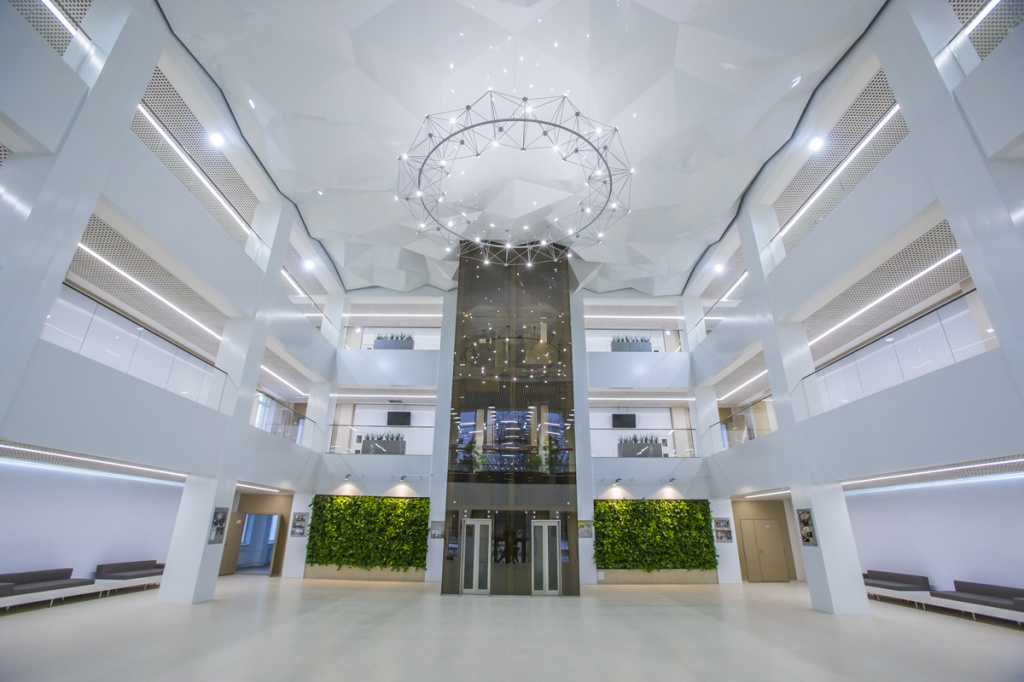
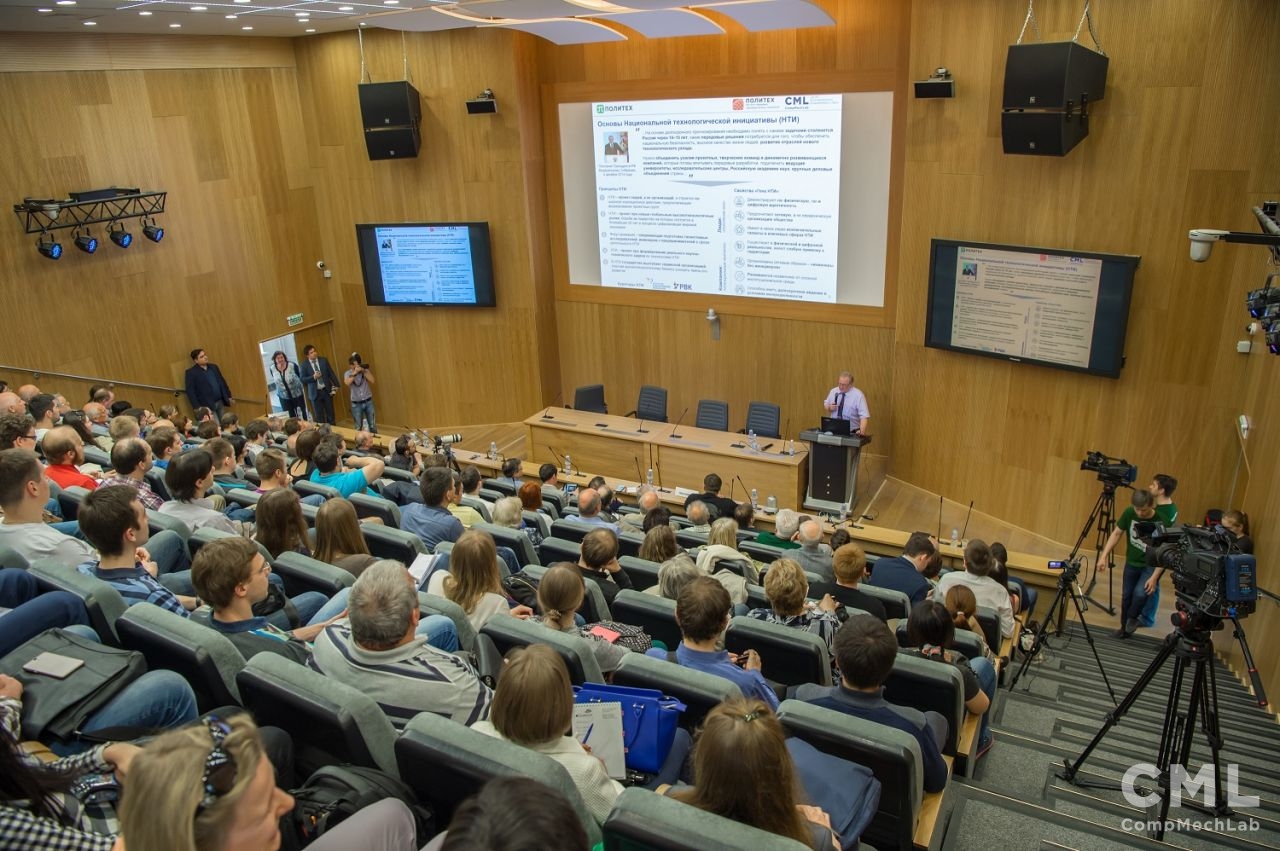
The modern congress center with comfortable halls is equipped with everything necessary for conferences and other events. It is located in the heart of the university campus on the north of St. Petersburg within easy walking distance of the metro station Polytechnicheskaya.

St. Petersburg is Europe’s Best Tourist Destination of the year 2017, Europe's Leading Heritage Destination 2018 and Europe's Leading Cruise Destination 2018 at World Travel Awards.

We recommend conference participants to book hotels in the city center near the red metro line (it takes about 20 minutes by metro from the city center to the venue).

You can also choose the hotels that are within walking distance of the venue:

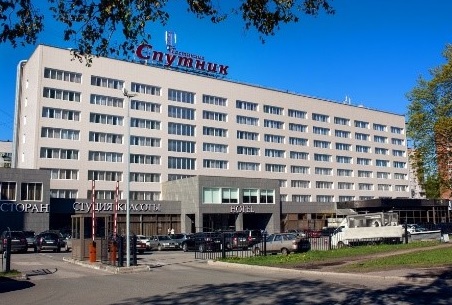
Hotel «Sputnik»

36 Toreza prospect
Metro «Ploschad Muzhestva» or Metro «Polyteknicheskaya»
(Distance to SPbPU 1,5 km)

sputnik-hotel.ru
wrappixel kit

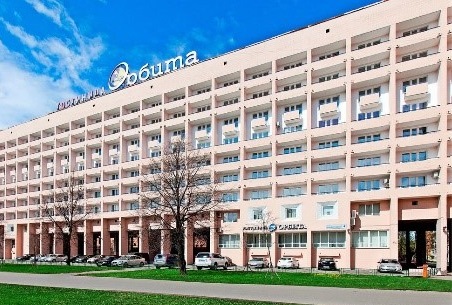
Hotel «Orbita»

4 Nepokoryonnyh prospect
Metro «Ploschad Muzhestva»
(Distance to SPbPU 1,3 km)

spborbita.ru
wrappixel kit

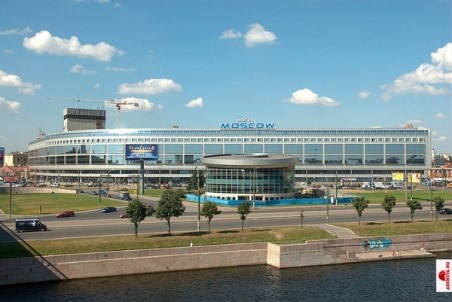
Hotel «Moskva»

2 Alexander Nevskiy Square
Metro «Ploschad Aleksandra Nevskogo»
(Distance to SPbPU 12,1 km)

hotel-moscow.ru
wrappixel kit

Hotel «Ambassador»

5-7 Rimskiy-Korsakov prospect
Metro «Sennaya/Sadovaya/ Spasskaya»
(Distance to SPbPU 12,1 km)

ambassador-hotel.ru

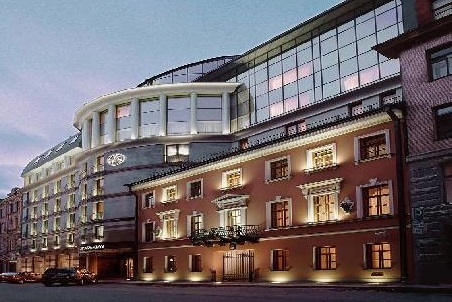
Hotels Station
,

9 Hotels in the City centre
station-hotels.ru